

An introduction to the joys of printmaking Etching Classes to Enhance Your Skills
Updated: Jan 19

Why Learn Etching ?
Etching is a 500 year old printmaking technique that connects back to masters such as Rembrant, Goya, Picasso and Paula Rego and Norman Ackroyd .There’s something truly special about learning etching in a printroom with specialist equipment and expert knowledge from a tutor. When you join a class, you get to:
Work directly with materials like copper plates, acid baths, and inks.
Receive immediate feedback from an experienced Printmaker.
Connect with fellow artists who share your passion.
Explore different styles and methods under expert guidance.
I remember my first etching class vividly. The moment I held the etching needle and saw my drawing come to life on the plate, I was hooked. It’s a tactile, immersive experience that books or videos just can’t match.
My print classes include a focus on sustainable printmaking practices, which is a growing interest for many artists today. Learning how to reduce waste and use eco-friendly materials can make your art practice more responsible and rewarding and also connect you to an awareness of the natural environment and your place in it.
What You Can Expect to Learn in Etching Classes
When you sign up for an etching print classes, with me, you’ll typically cover a range of essential skills and techniques, including:
Preparing the Plate
You’ll learn how to clean and coat your metal plate with a ground that resists acid. This step is crucial for creating your design.
Drawing Your Design
Using etching needles, you’ll scratch your image into the ground, exposing the metal beneath.
Acid Bath Process
This is where the magic happens. The plate is submerged in acid, which bites into the exposed metal lines, creating grooves that will hold ink.
Inking and Wiping
You’ll apply ink to the plate and carefully wipe the surface, leaving ink only in the etched lines.
Printing
Finally, you’ll use a traditional printing press to transfer your design onto paper, revealing your artwork.
Learn some interesting cleaning up tips using household products that may revolutionise your art practice.
Each step offers opportunities to experiment and develop your style. For example, you might try different grounds or acids to achieve varied textures, or explore techniques like aquatint for tonal effects.
Such an amazing day, thank you Catherine, I’ve learnt so much and I’ve treated myself to some new ’art materials- thanks again and I’m looking forward to joining you on another date.
Find the right Etching course for you:
By Arrangement: 1:1 or small group at Green Print Studio, West Hoathly, Sussex https://www.catherinegreenwood.co.uk/product-page/open-access-etching-day-by-arrangement-at-green-print
CONTACT me for more details or to discuss a date or special print project.
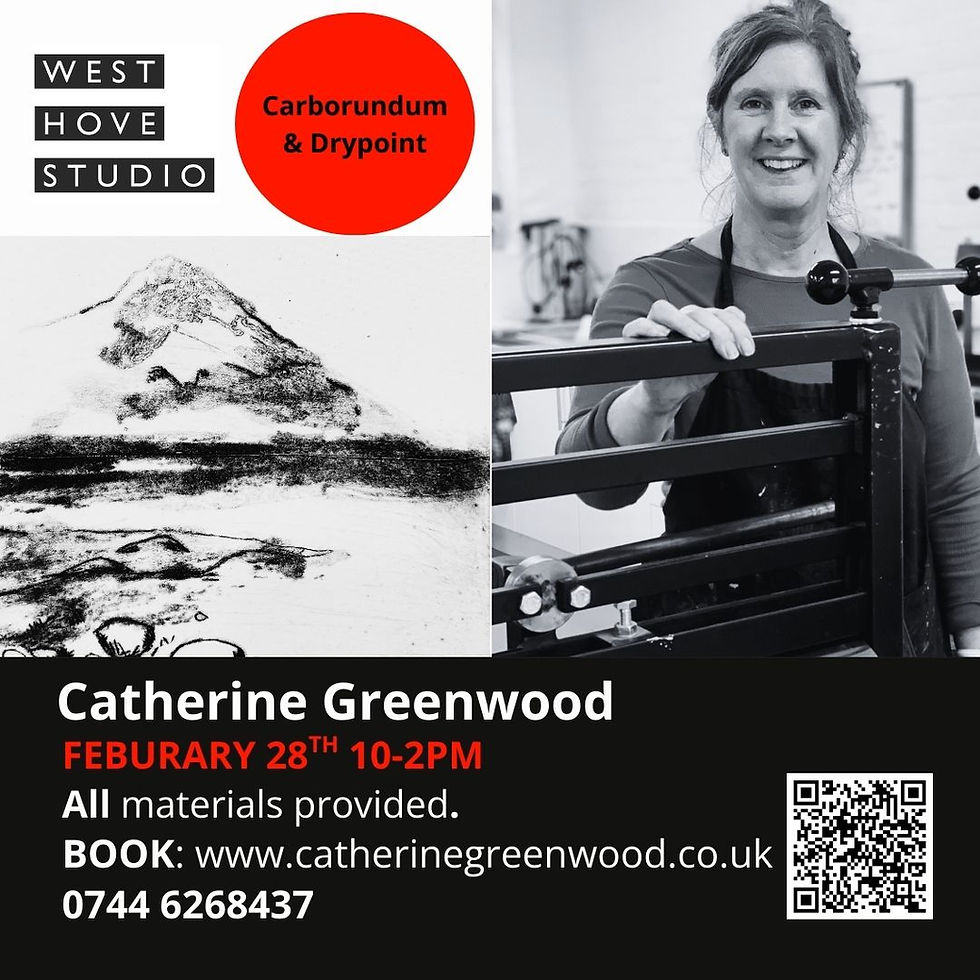
SPRING: FEB 28th Half Day Drypoint & Carborundum taster workshop: West Hove Studios Sussex https://www.catherinegreenwood.co.uk/product-page/carborundum-drypoint
SUMMMER Mid July 2- day ( Date tbc) Summer school Green Etching Mill Street Etching Studio, Suffolk https://www.millstreetetchingstudio.co.uk/workshops
CONTACT me to pre-register interest.
TERM TIME course: Thursday all day Etching classes at Putney School of Art, London https://www.psad.org.uk/event/printmaking-etching-all-levels-47/2026-03-26/
Joining a local class also means you can build a network of fellow artists, which is great for ongoing support and inspiration.

Tips to Make the Most of Your Etching Classes
To get the best from your etching experience, here are some practical tips I’ve picked up along the way:
Prepare Before Class
Familiarise yourself with basic printmaking terms and safety guidelines. This will help you feel more confident from the start.
Ask Questions
Don’t hesitate to seek clarification or advice. I love sharing my knowledge and expertise.
Practice Patience
Etching is a detailed process that requires time and care. Mistakes are part of learning, so embrace them.
Experiment Boldly
Try different tools, grounds, and papers. The more you explore, the richer your skills will become.
Keep a Sketchbook
Document your ideas, techniques, and results. This will help you track your progress and inspire future projects.
Connect with other artist s
Do share your work and experiences. Feedback from others can spark new ideas and improvements, I always love to see how your work develops so please do tag me on social media https://www.instagram.com/catherinegreenwood_/
Why Sustainable Printmaking Matters in Etching
One aspect I find particularly rewarding about modern etching classes is the focus on sustainability. Traditional printmaking can involve harsh chemicals and waste, but many workshops now teach eco-friendly alternatives.
For example, some classes use less toxic acids or safer grounds. Others encourage recycling paper and using water-based inks. Learning these methods not only protects your health but also helps preserve the environment.
By choosing a class that emphasises sustainability, you’re supporting a more responsible art practice. Plus, it adds a meaningful dimension to your creative work.
My passion for a green more sustainable approach began in 1998 at the university of Maine where I did my MA with professor Susan Groace students we helped to transform a traditional studio into a contemporary 'non toxic studio'. Since then, I've set up my own Green print Studio at home in Sussex and also furthered my artistic practice on a fellowship at City & Guilds, London a deep dive into traditional etching and also a residency at Zea Mays Print Studios in Massachusetts USA who celebrate their 25th anniversary this year. For anyone interested planning stages for a second 'Green Dream' is planned for 2027.
Please contact me with any questions or click on the links to book any course. I hope that I have whet your appetite to learn to etch or further your skills.
I look forward to welcoming you to a class!
Catherine


Comments